
The magnificent monstera
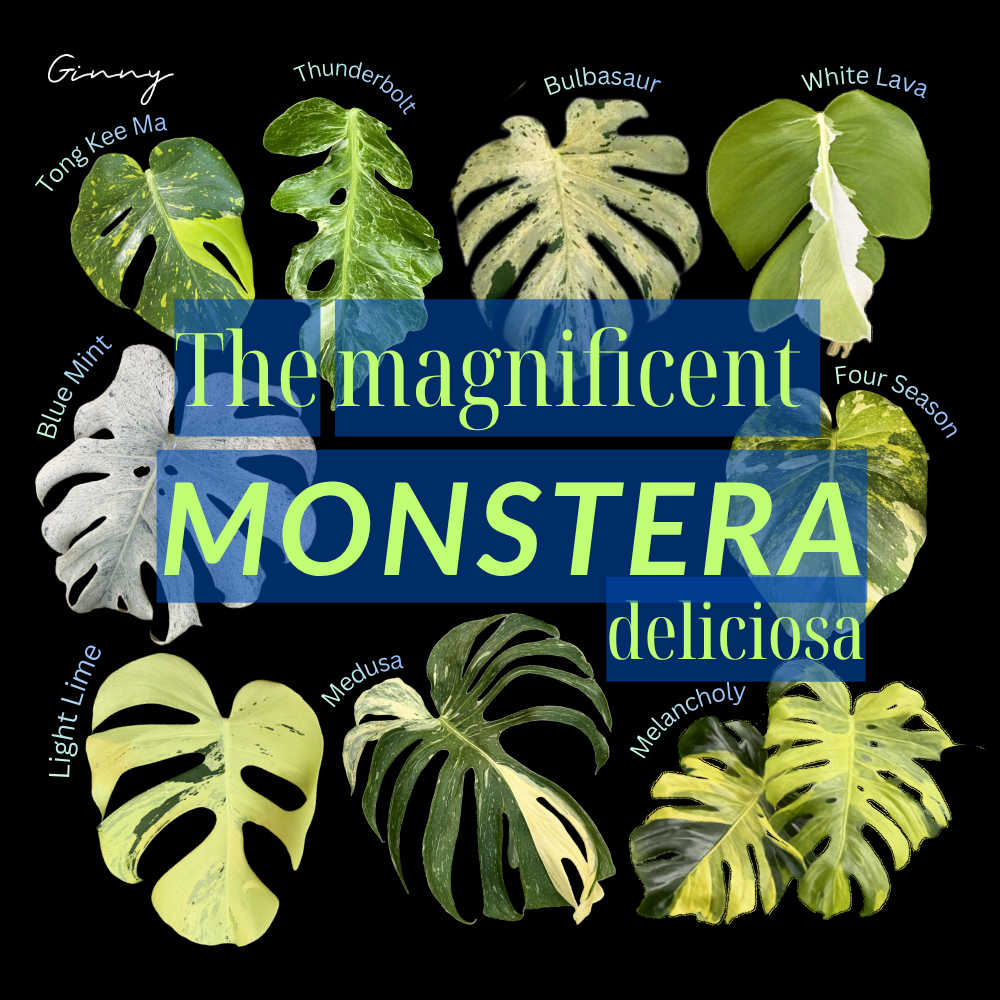
In the world of rare aroids, few names carry as much weight—or as much literal scale—as the Monstera. Derived from the Latin word for "monstrous" or "abnormal," the genus name perfectly captures both the plant’s untamed, gigantic size and its famously unusual leaves filled with natural holes. This massive genus encompasses 71 accepted species that share a wild ambition to climb toward the jungle canopy. Yet, out of all these incredible plants, one undisputed leader reigns supreme in popularity worldwide: the Monstera deliciosa. For me, the deliciosa represents the ultimate peak of botanical architecture. There is a quiet joy, a meditative stillness, that comes from watching a massive, fenestrated leaf slowly unfurl its vibrant textures. It is this specific feeling of peace that led me to cultivate this incredible species full-time.
Let’s dive into the story of our most iconic residents.
Monstera origins: the jungle roots of a global icon
Native to the tropical rainforests of South America, the Monstera began its history long before it became a design icon. Indigenous communities historically relied on the plant's natural strength, harvesting the robust aerial roots to weave durable baskets and ropes.
The specific epithet—which is just the identifying second part of a plant's scientific name—deliciosa refers to the plant’s rarest reward: its edible fruit. Because of this fruit and its unique leaf shape, the plant is known by many descriptive common names, including the Swiss cheese plant, Mexican breadfruit, fruit salad plant, hurricane plant, and window leaf. Although our specimens at Ginny Garden have not yet given out fruit, it is said to taste like a blend of pineapple, banana, mango, passion fruit, and guava. Achieving this reward requires incredible patience; a plant typically must be at least 3 or 4 years old before it will even flower, and even then, it rarely happens in standard indoor conditions. Throughout South America, the plant’s lush leaves remain a symbol of abundance and health—a sign of a flourishing home.
The unique leaves of the deliciosa
The Monstera deliciosa is best known for its "Swiss cheese" appearance, but there is a brilliant logic to this design. Botanically, the enclosed holes you see are called perforations, while the sweeping slits that cut through the edges of the leaf are known as fenestrations.
In the wild, these are survival tools. They act as natural vents, allowing heavy tropical downpours and hurricane-force winds to pass right through without tearing the leaves. Sunlight also filters through these openings to reach the smaller, younger leaves growing closer to the dark forest floor, ensuring the entire plant can stay healthy as it climbs toward the canopy.
The Ideal Environment
To help your Monstera deliciosa thrive, try to mimic its life in the dappled light of the rainforest:
Light: Provide bright, indirect light. Keep variegated sections out of direct sun; because they lack chlorophyll—the green parts that turn sunlight into energy—they are very sensitive and can burn easily.
Water: Water when the top 2 inches of soil feel dry. Monsteras are moderate drinkers—they hate sitting in soggy soil, which leads to root rot.
Soil: Use a chunky, aerated mix of potting soil, perlite and orchid bark.
Support: As natural climbers, they crave a moss pole or trellis. This encourages them to grow taller and produce those iconic, mature split leaves.
Humidity: They adore moist air, ideally 60% humidity or higher. A small humidifier or grouping your plants together will keep their foliage glossy.
Reading Monstera’s leaves
Just like us human, these plants communicate when they are under the weather. By observing their foliage with empathy, you can nurse them back to health:
Yellowing leaves: Often a gentle plea for oxygen. It usually means the soil is too wet or the pot isn't draining. Let the soil breathe and dry out slightly before its next drink.
Brown, crispy edges: A sign that your plant is thirsty for humidity or hiding from harsh, direct sunlight. Relocate it to a softer corner and boost the moisture in the air.
Small leaves with no splits: If your plant is growing but the leaves are solid, it is asking for more light and a pole to climb. With a little more sun and support, those fenestrations will soon return.
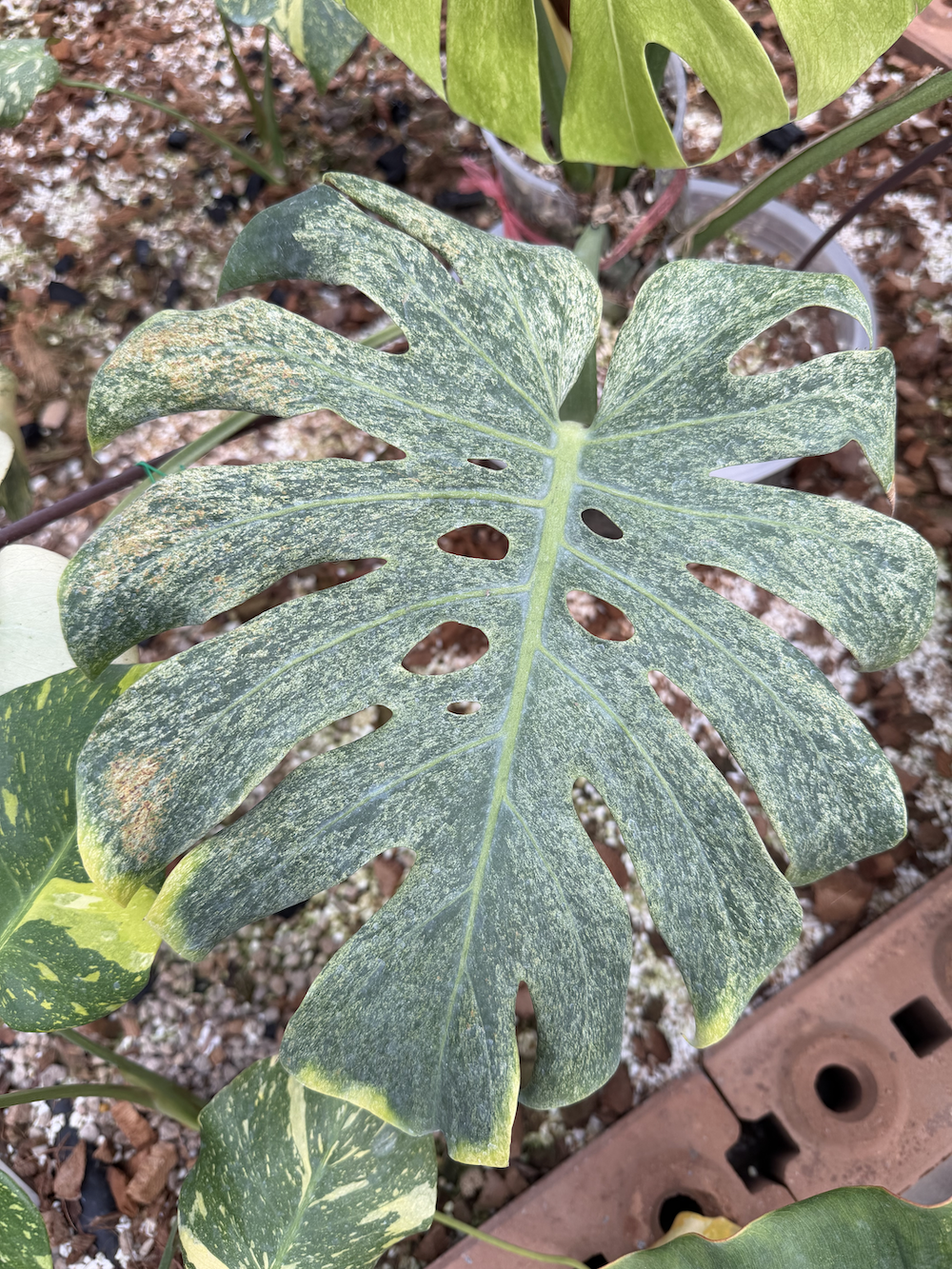
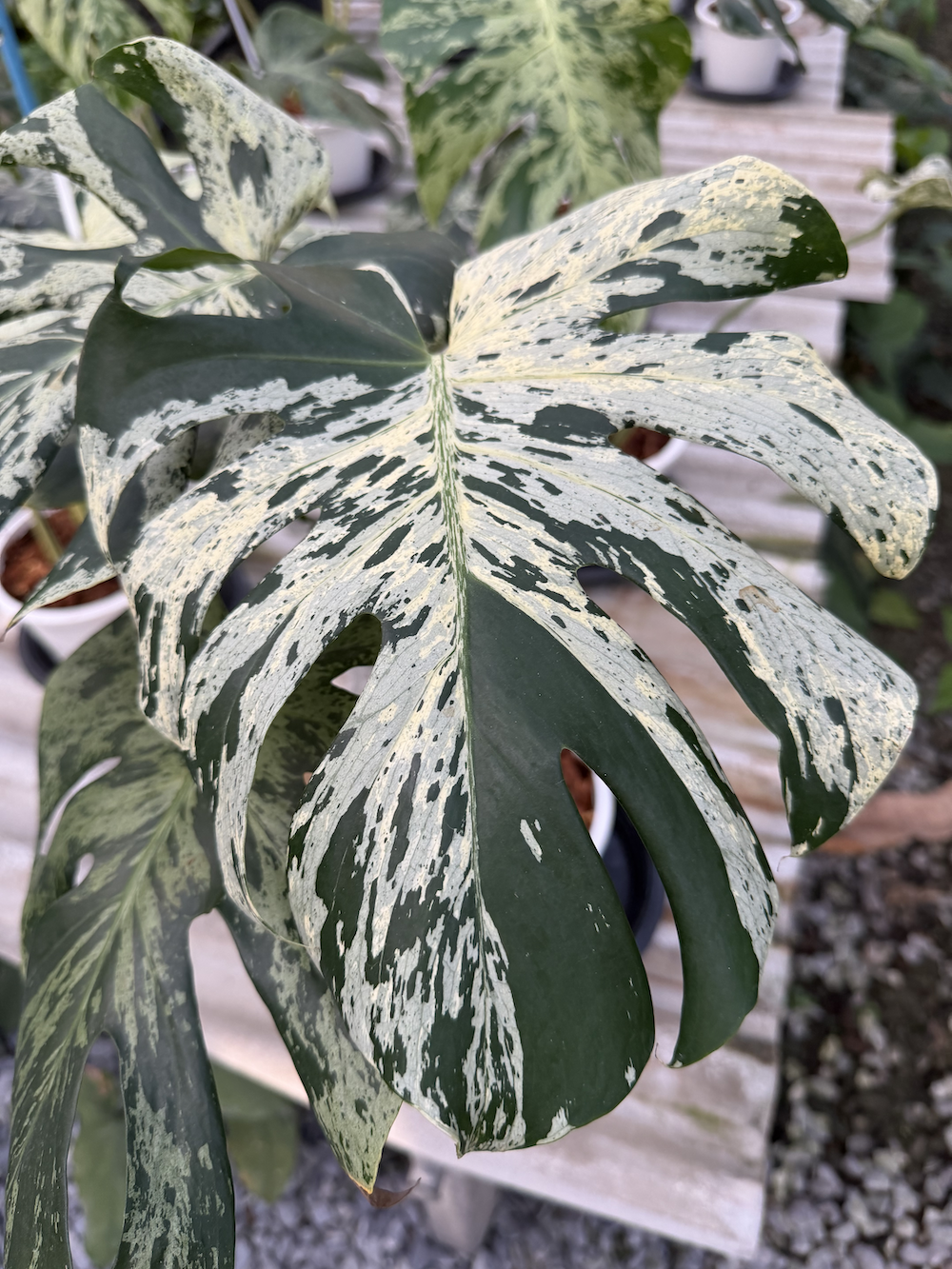
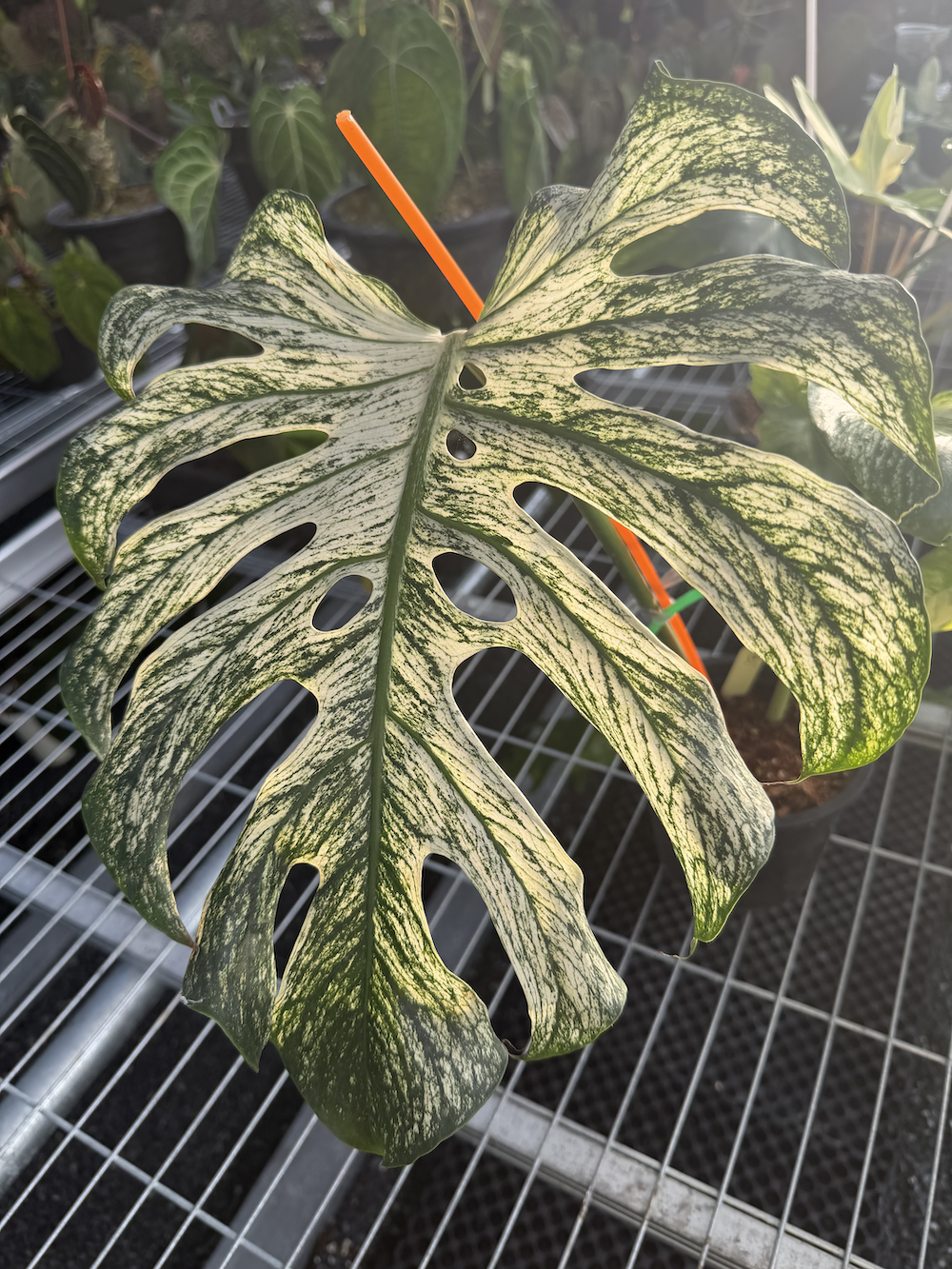
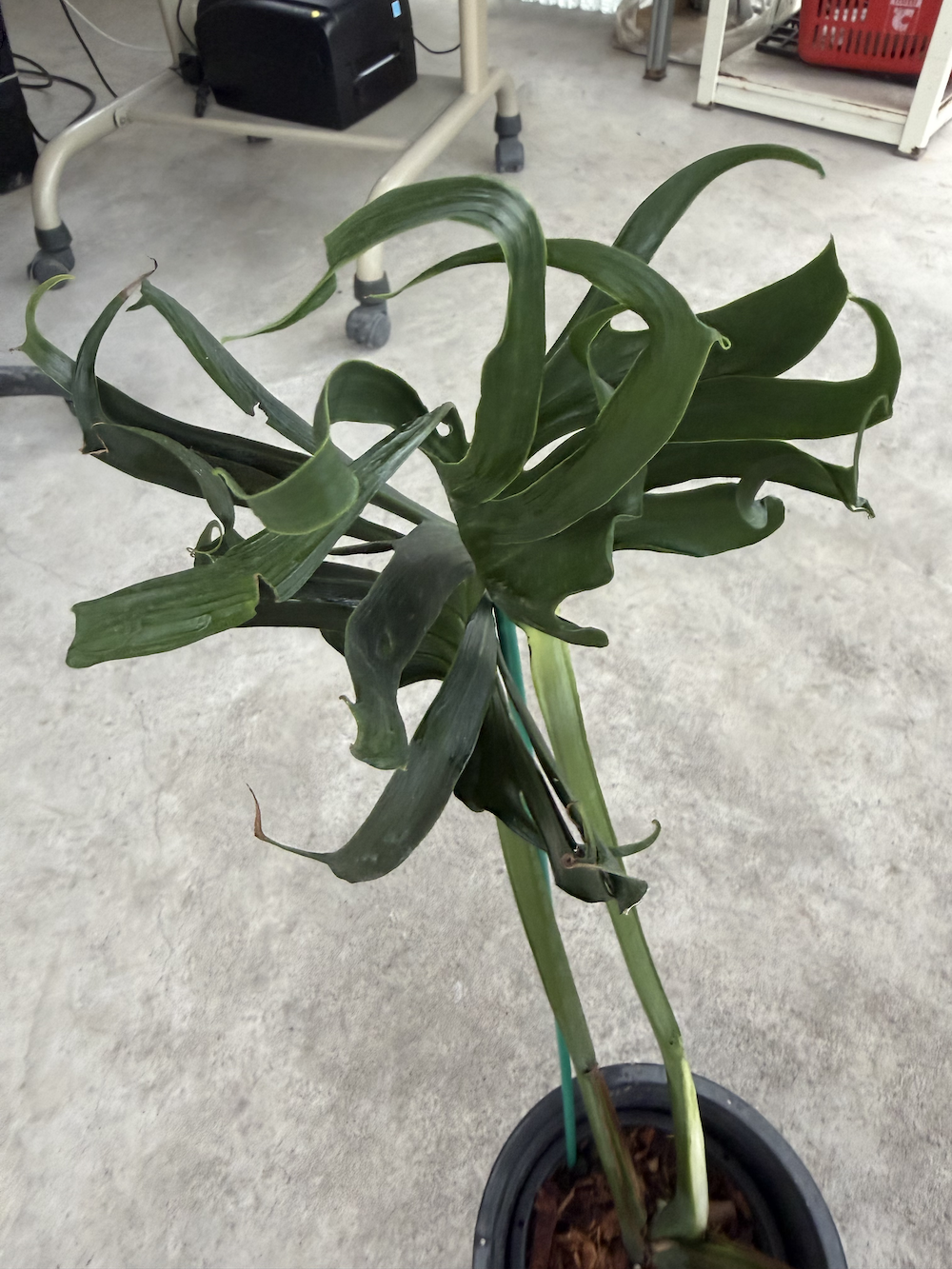
Our 2026 Ginny Garden Monstera deliciosa Lineage
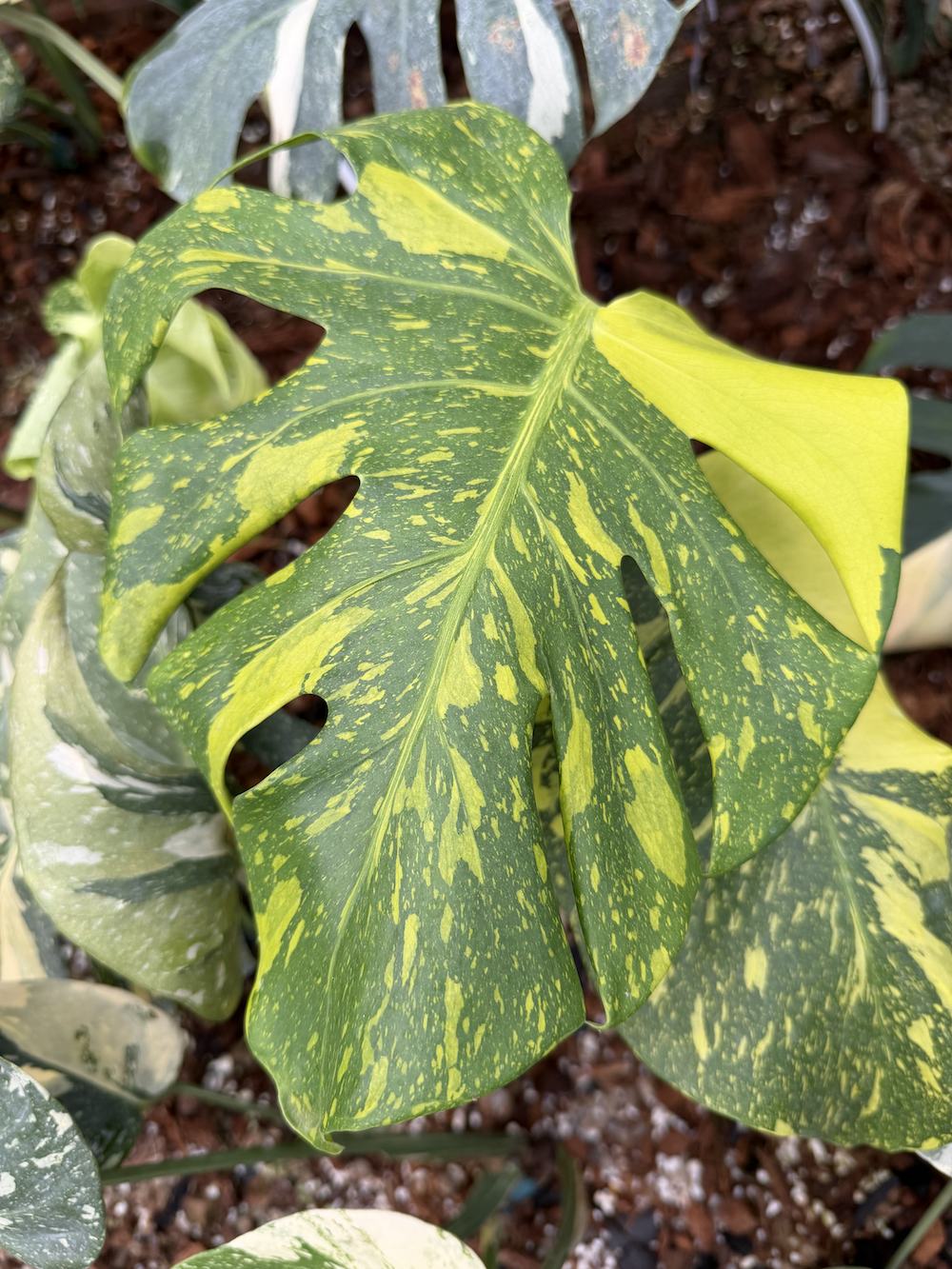
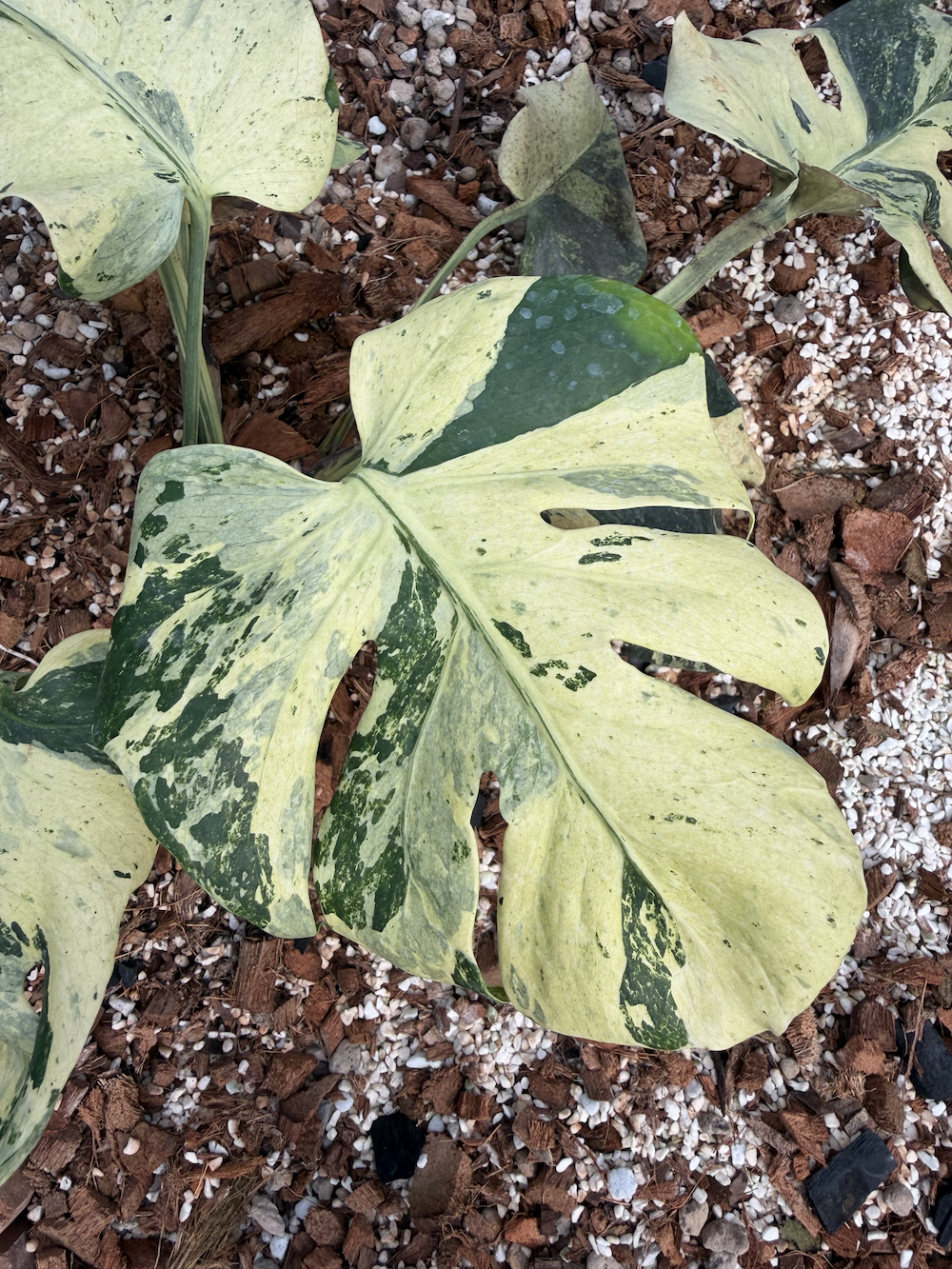
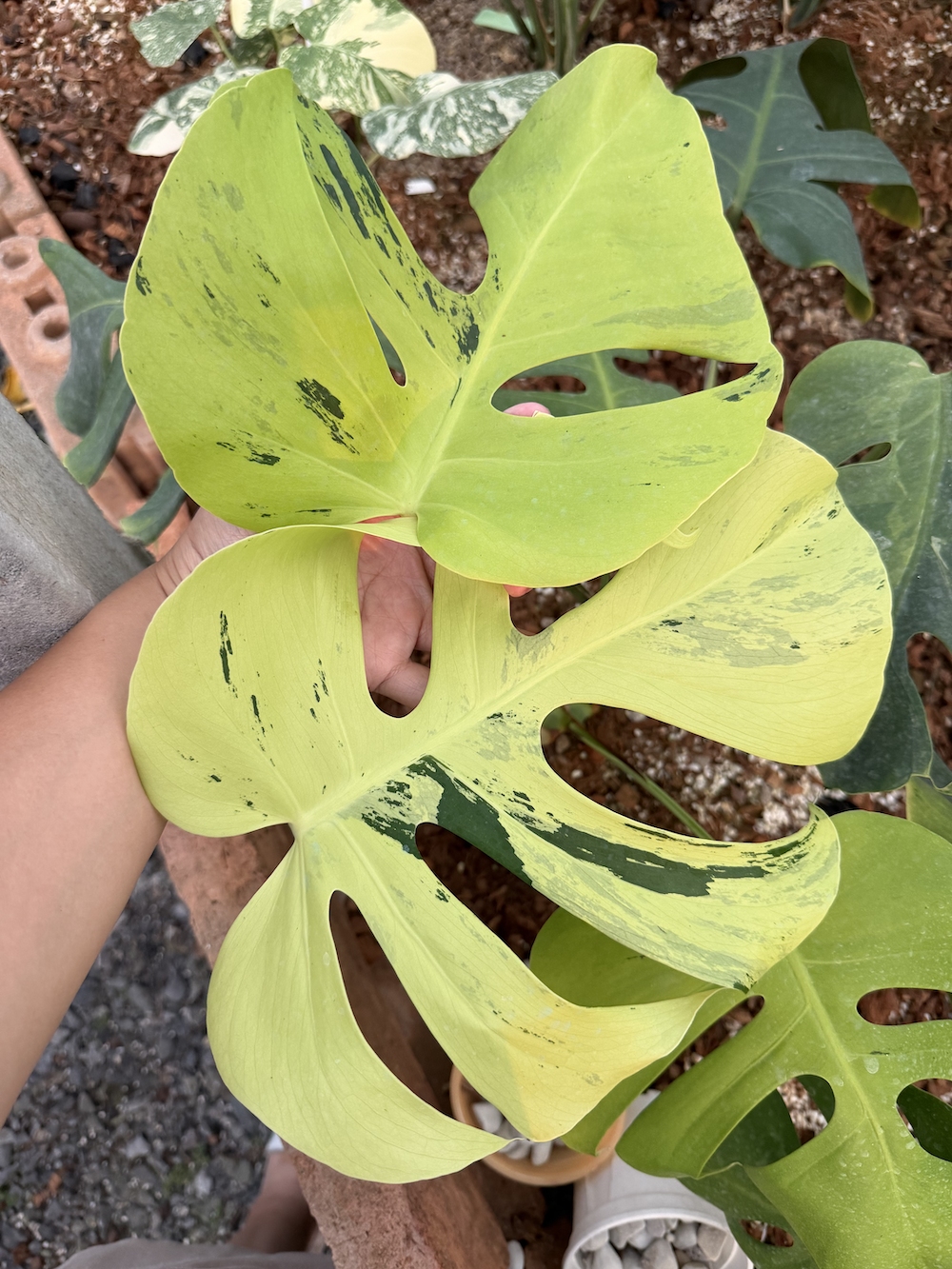
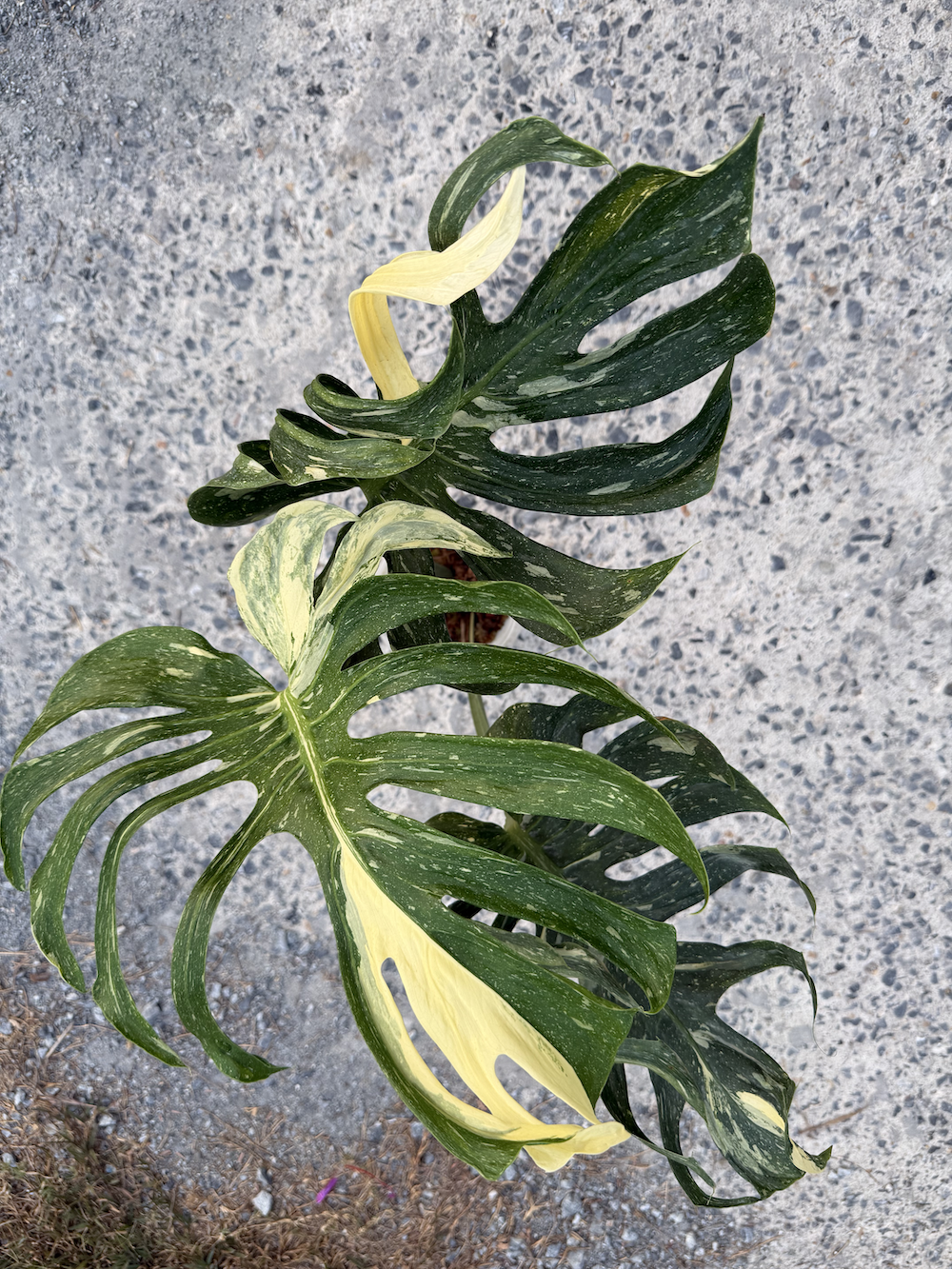
Here is our list of the specific Monstera deliciosa we love and are breeding now:
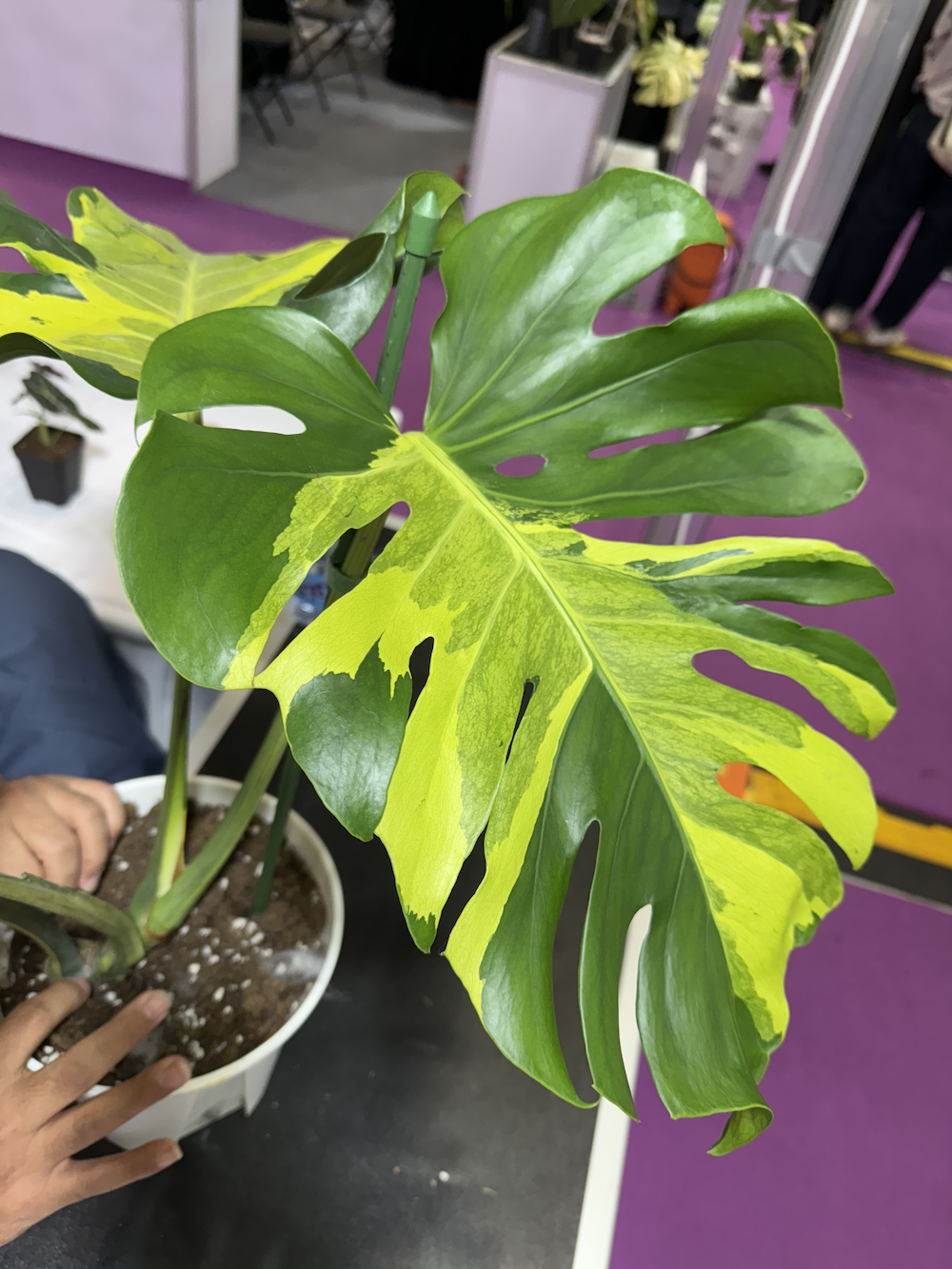
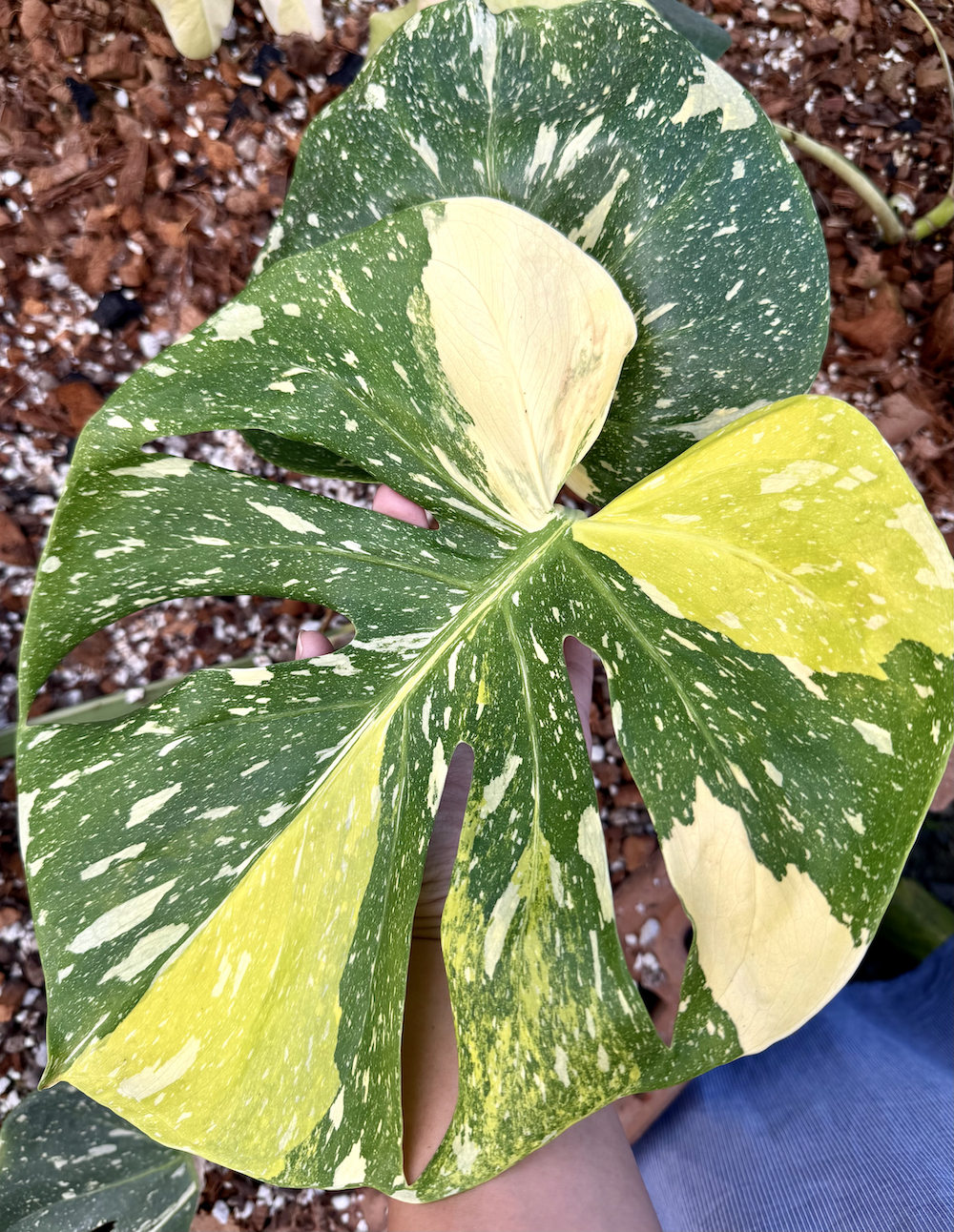
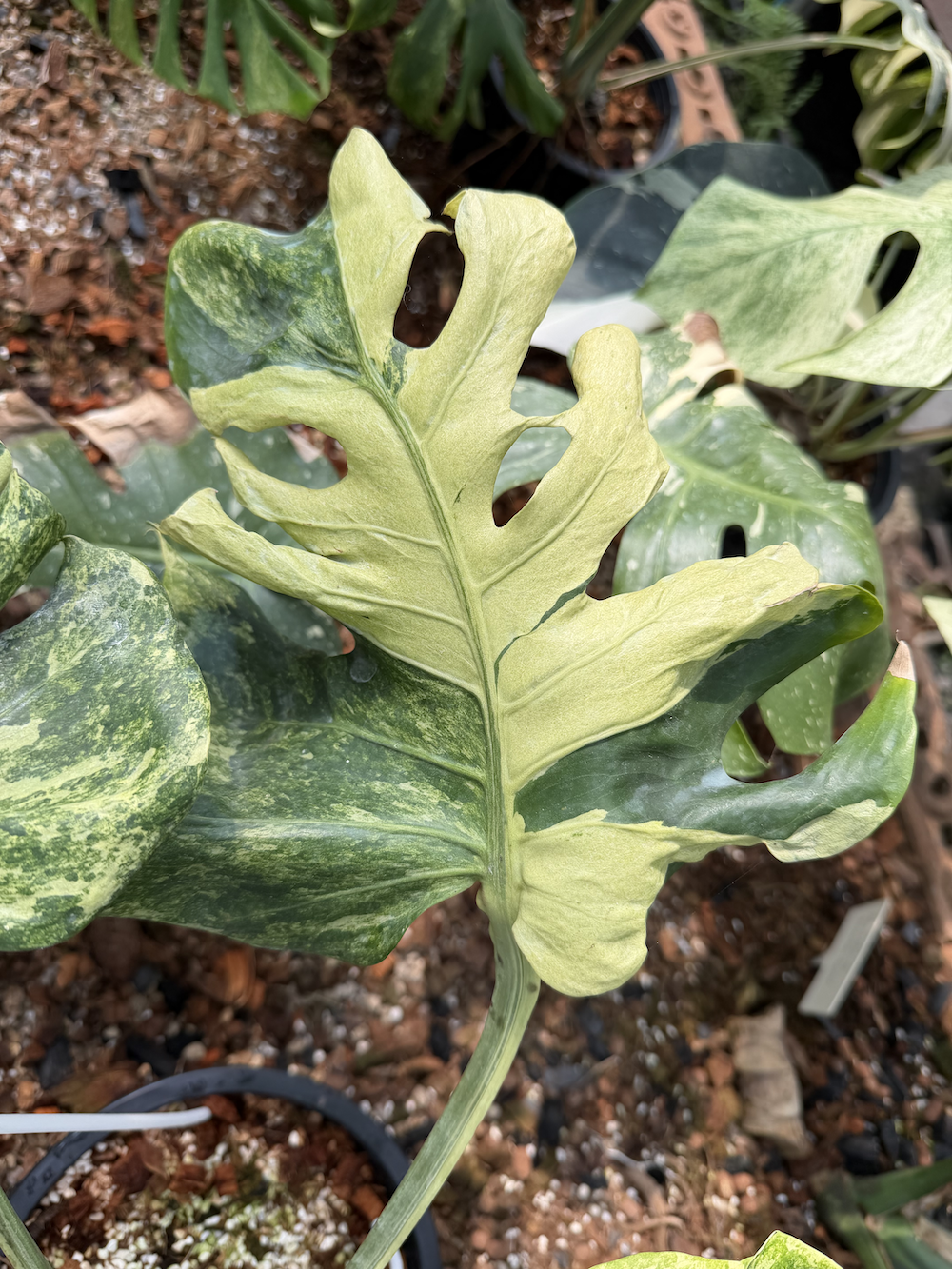
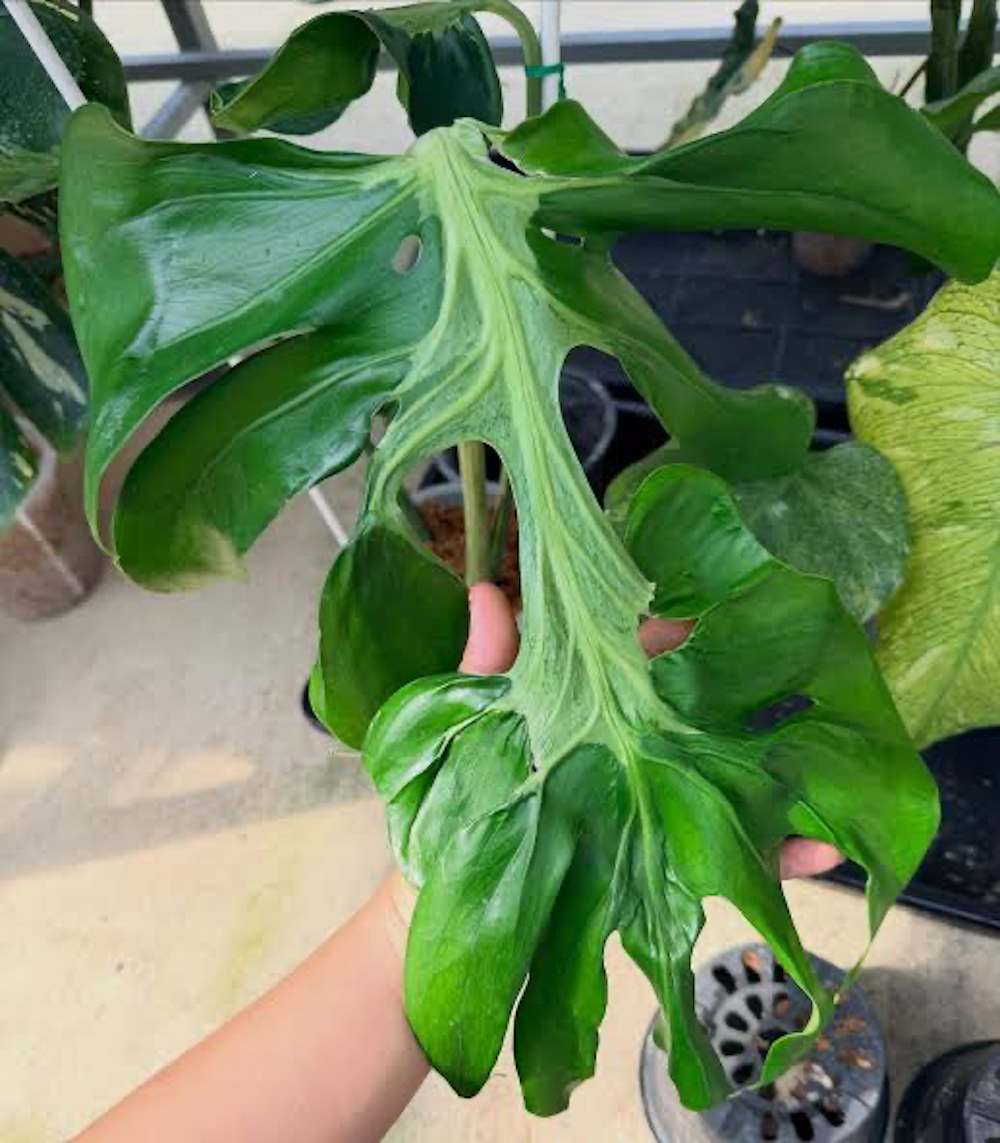
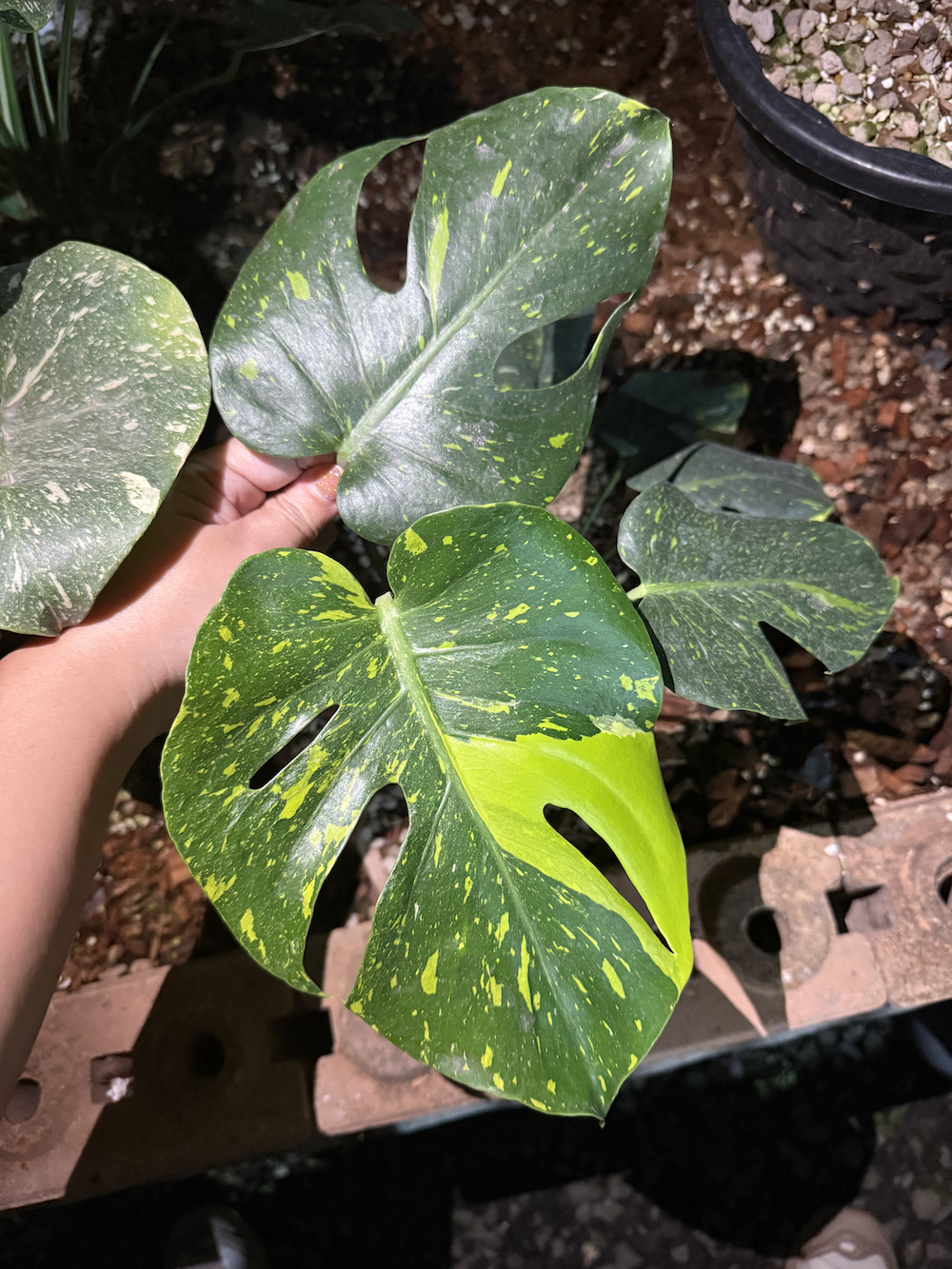
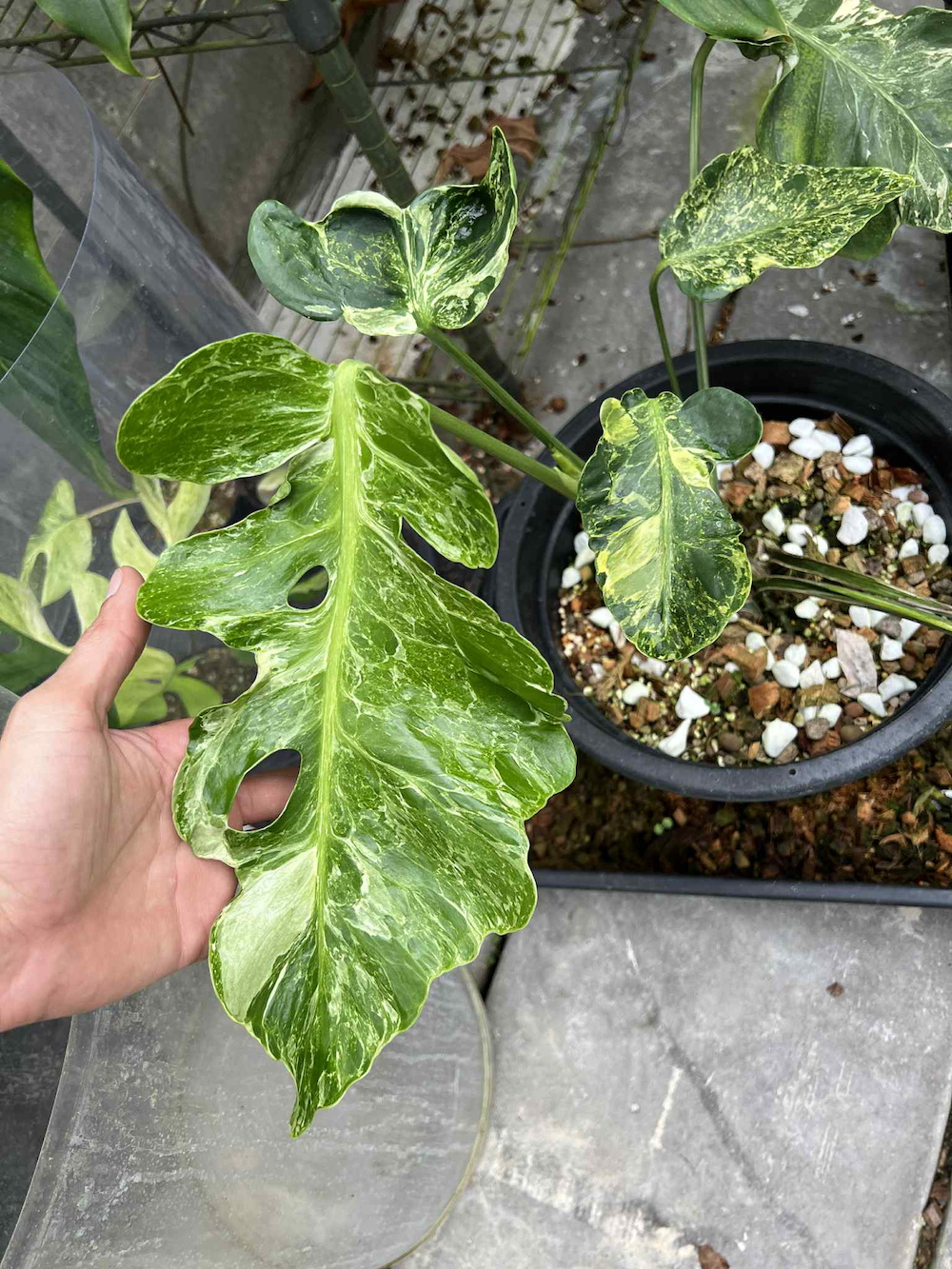
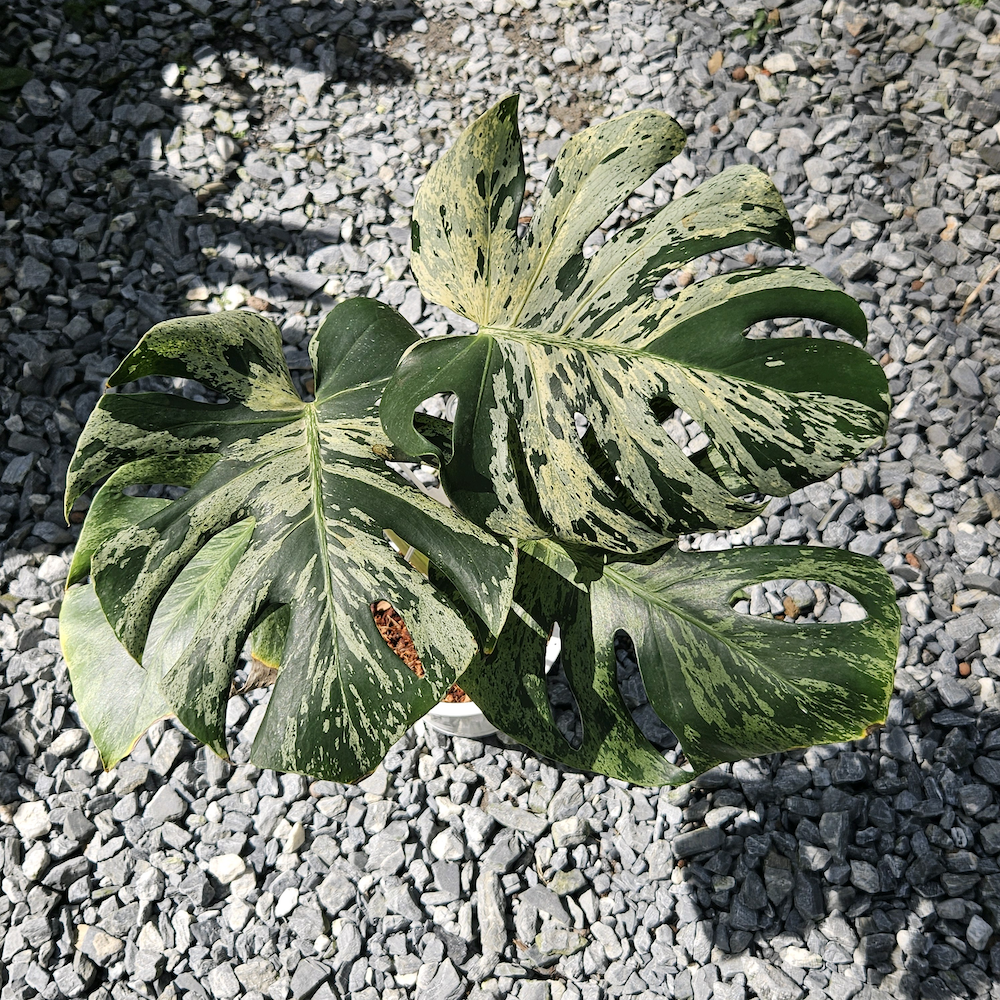
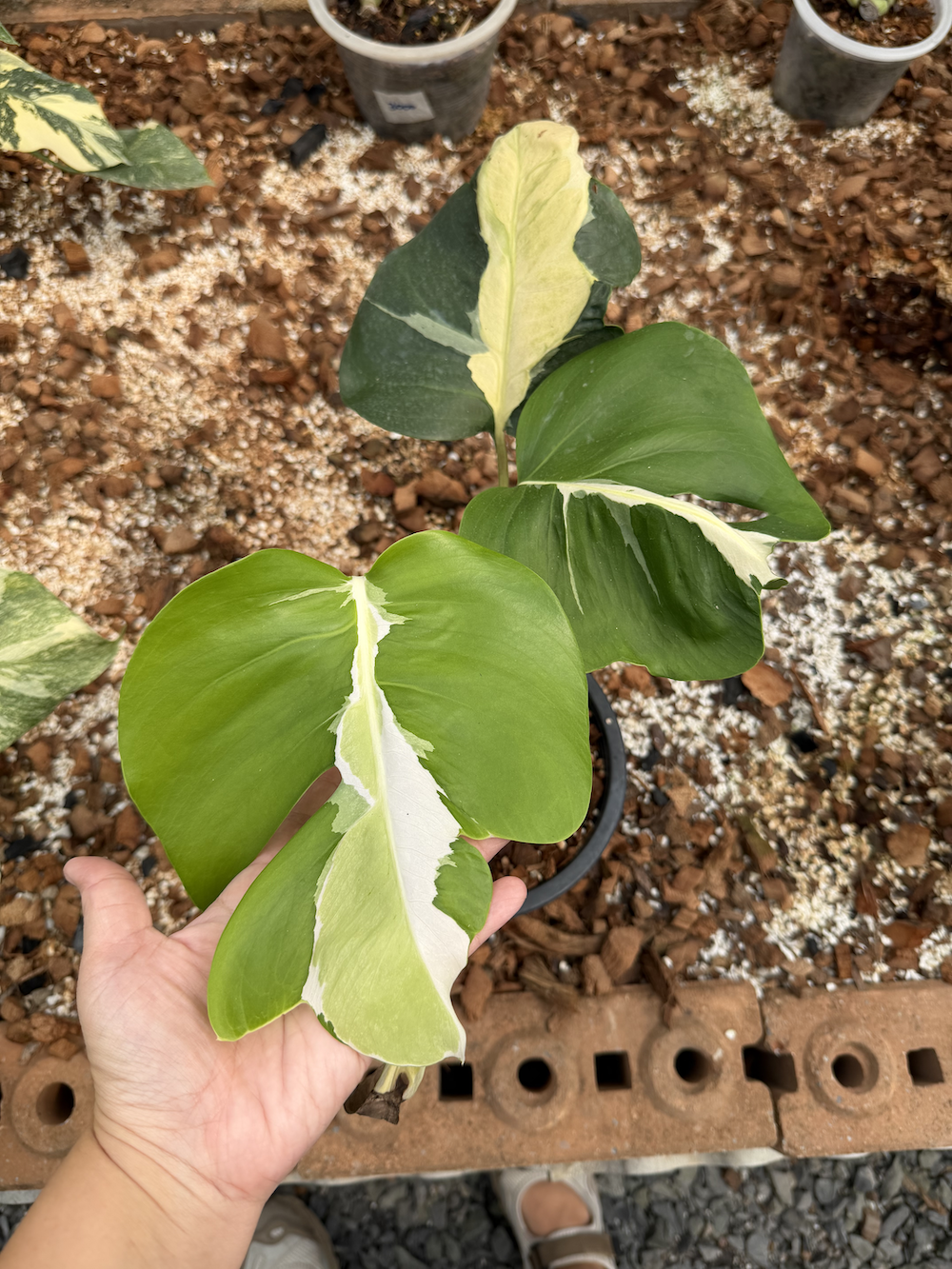
The joy of a deliciosa
Bringing a Monstera deliciosa into your home is about more than decoration; it is about inviting a piece of the wild into your daily life. Their natural resilience makes them forgiving companions, and their architectural beauty transforms any space into a sanctuary. But the most important reason to grow one? The simple, quiet joy of watching a new leaf emerge and finding your own inner peace in the process.
If any of our Monsteras spark an interest, please feel free to reach out via one of the contact methods in the footer, or visit the “How to order” section here. We have successfully sent over 17,500 plants to more than 24 countries across the globe, all with a 100% phyto-certified and 100% live arrival record to date (learn about our Safe Passage Protocol). We would love to help you find the perfect Monstera deliciosa for your home.
