
The allure of anthurium
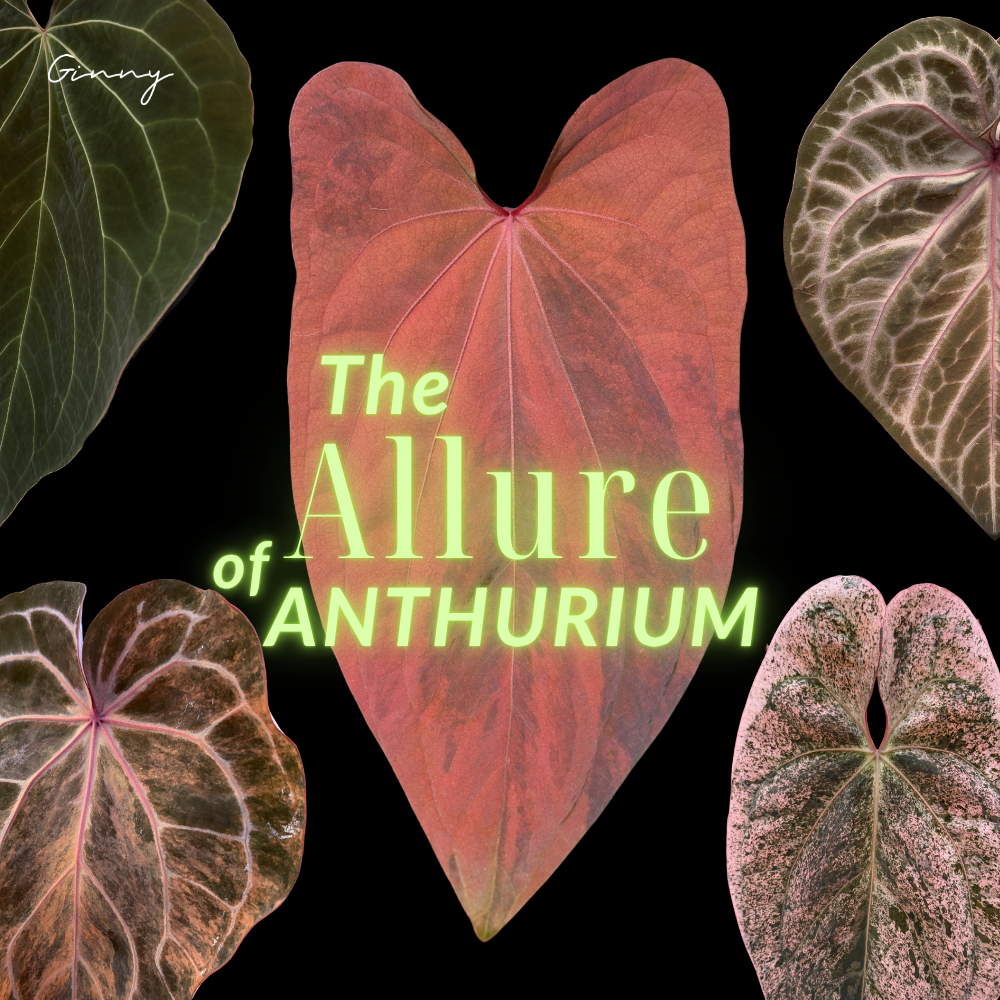
In the quiet of our nursery, anthuriums represent the slowest, most rewarding form of performing arts. Breeding these velvet-leaved treasures is a patient dance with nature, observing the slow emergence of crystalline veins and deep, moody textures. Having raised and bred a few hundred different varieties, welcome to the fascinating world of the largest genus in the arum family.
Anthurium origins: the history of the tail flower
While many people instantly associate them with Hawaii, anthuriums are not native to Asia or the South Pacific at all. They originate deep within the dense, humid rainforests of Central and South America. According to Plants of the World Online (POWO), this genus is the largest in the broader family, with over 1,300 species of flowering plants recorded to date. Modern understanding of these plants comes from dedicated experts who have spent decades collecting specimens in the wild to map their immense natural variety.
In their native habitat, the vast majority of anthuriums are epiphytes—a term describing plants that grow on other plants, usually trees, for support without taking any nutrients from them. They anchor their roots to tree branches, experiencing heavy tropical downpours followed immediately by drying breezes—a cycle that dictates their domestic care.
Understanding anthurium anatomy
A fun botanical fact that surprises our guests is that the heart-shaped "flower" is not actually a flower at all. The colorful, waxy shield is a spathe (a modified leaf), which serves to protect the spadix—the central spike where hundreds of tiny, true flowers grow in tight spirals.
Because of this unique anatomy, the plant is known by many evocative common names, including the tailflower, flamingo flower, flamingo lily, Hawaiian heart, painted tongue, painter’s palette, pigtail plant and laceleaf. In fact, the name anthurium comes from the Greek words for "flower" and "tail," referring to this unique spike. Beyond their beauty, they are global symbols of love and hospitality.
The ideal anthurium environment
To help your anthurium thrive, you must mimic the rainforest canopy:
Light: Bright, indirect light is non-negotiable. Direct sun will scorch their velvet leaves.
Water: Water when the top 2 inches of the soil feel dry. They need oxygenated roots—never let them sit in soggy, "muddy" soil where the roots cannot breathe.
Soil: Use a chunky, "breathable" aroid mix of orchid bark, perlite and peat.
Humidity: They adore 60% to 80% humidity. A humidifier is the best way to prevent the leaf tips from turning brown and crispy.
Reading anthurium leaves
Anthuriums communicate their health through their foliage:
Yellowing leaves: Often a gentle plea for root oxygen due to overwatering or soil that stays wet too long. If veins stay green while the leaf yellows, it may be a nutrient deficiency.
Brown, crispy edges: A sign of dry air or intense light. Relocate to a softer corner and boost moisture.
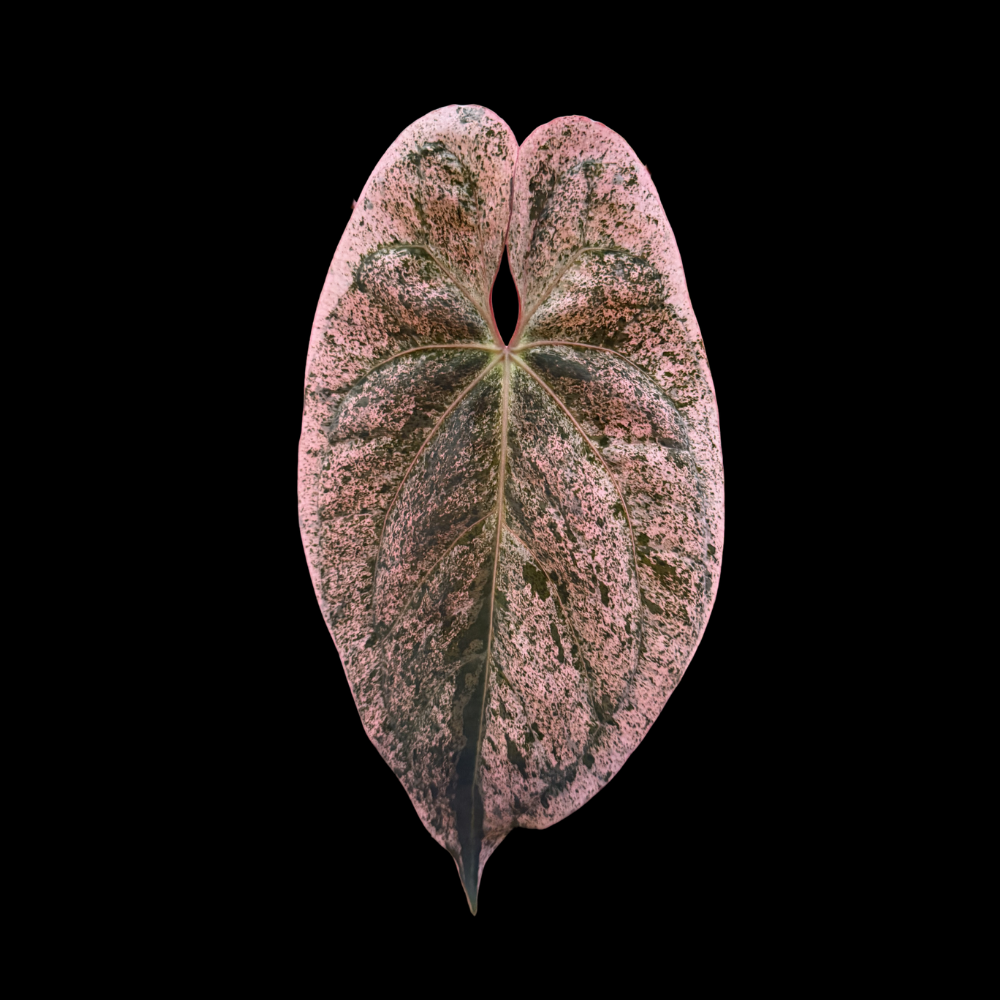
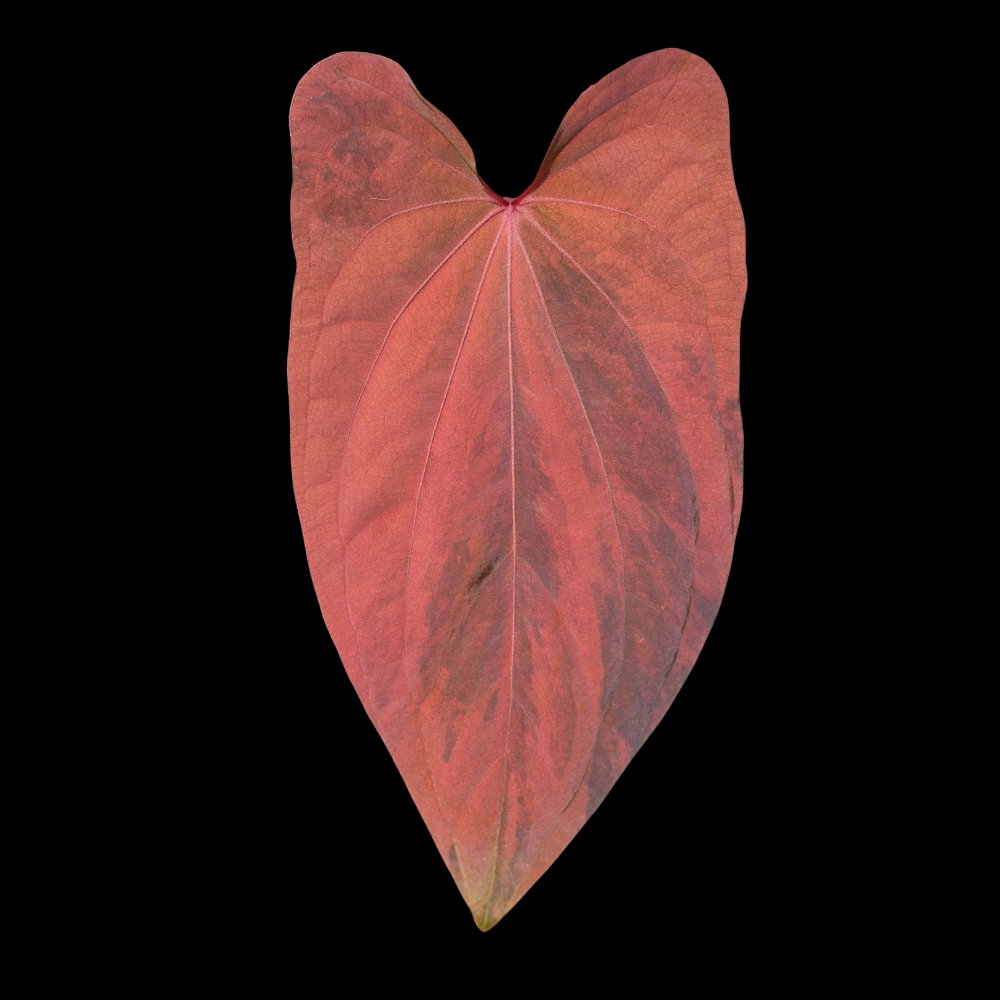
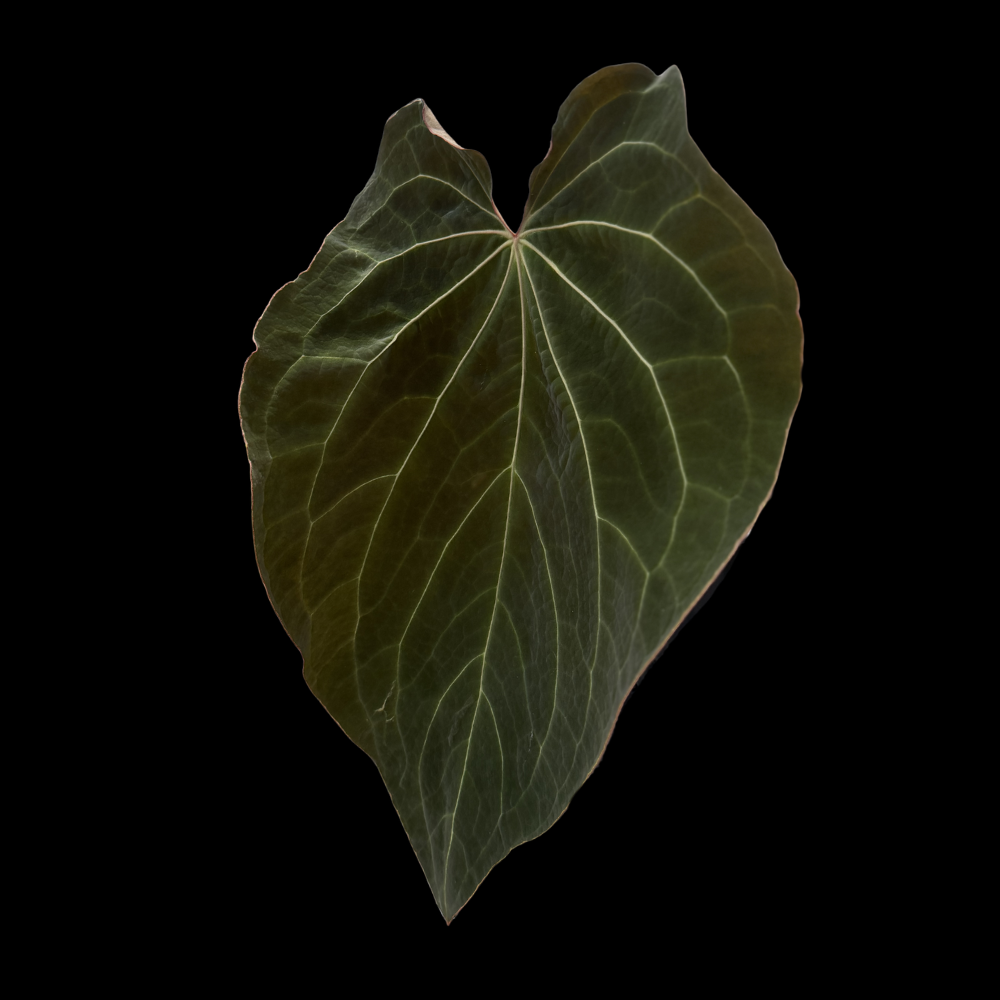
Here is the list of anthurium varieties we are pouring our heart into this year
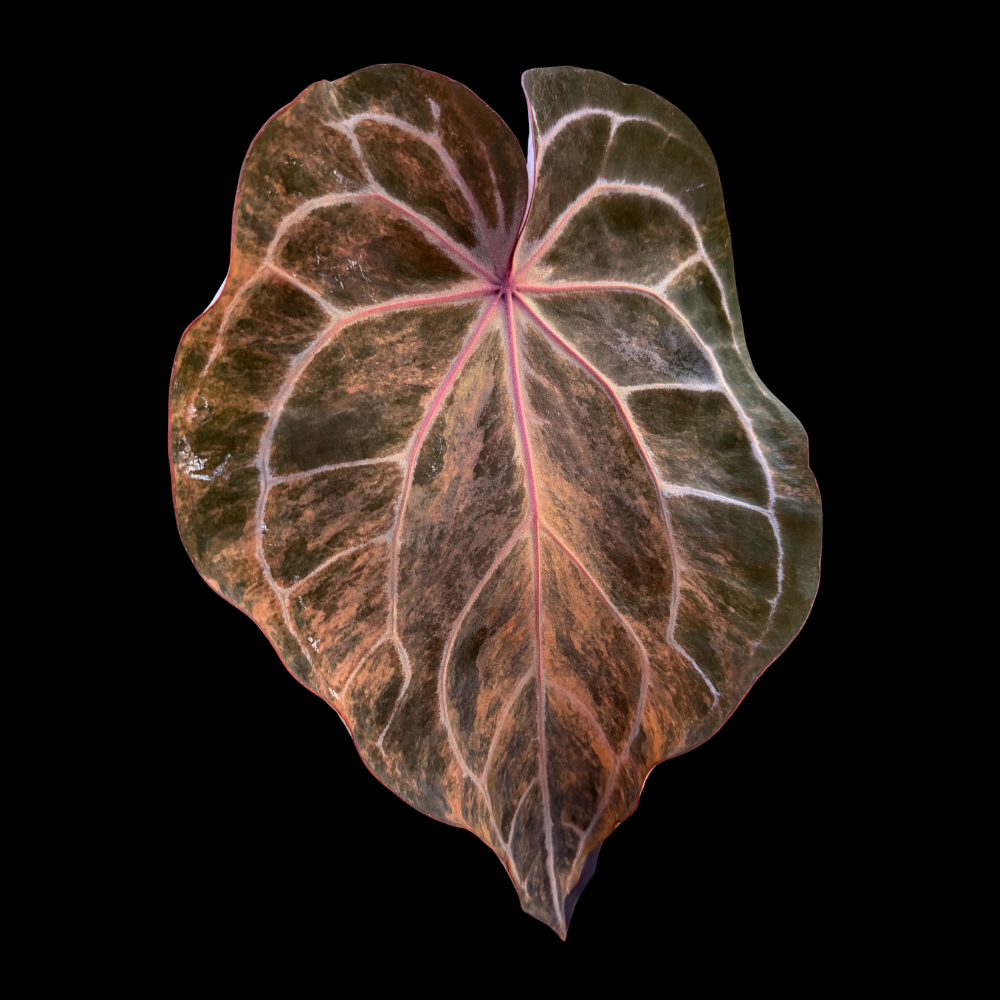
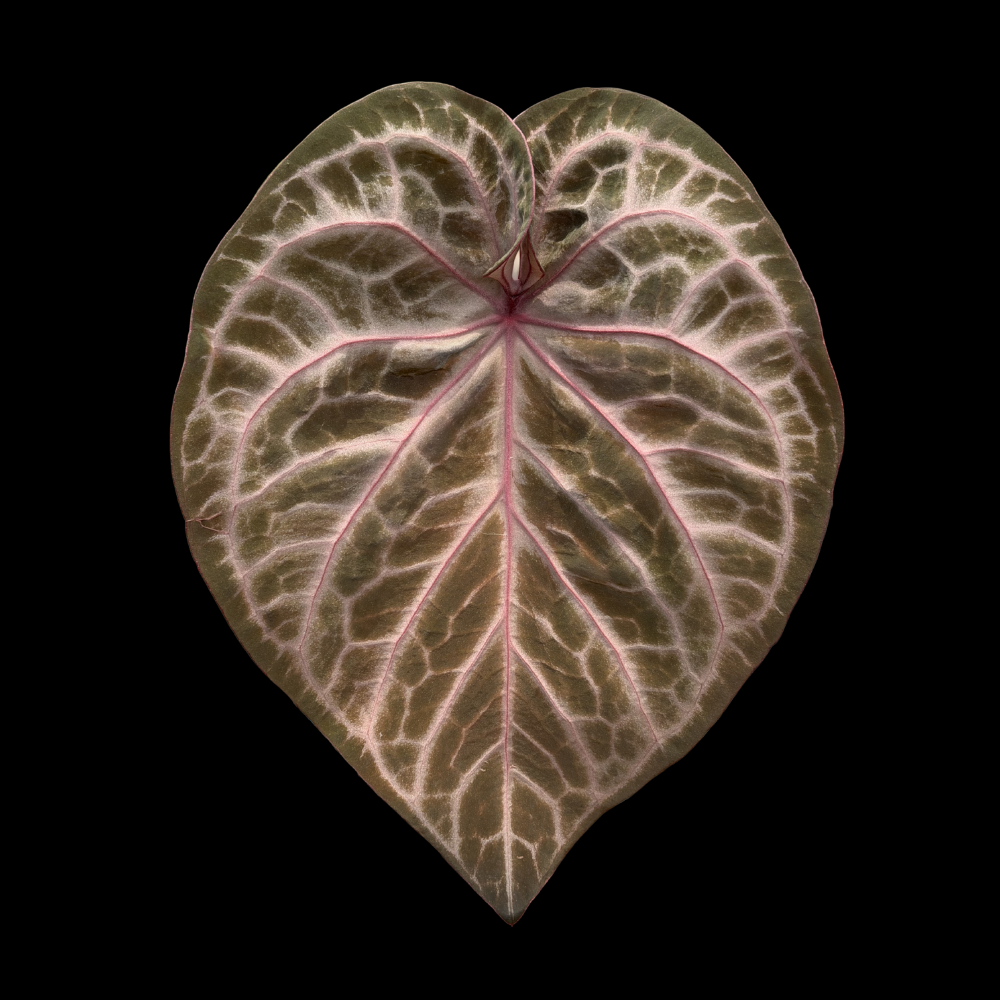
The joy of anthuriums
Watching a new, velvety leaf unfurl is a reward for your patience. Anthuriums transform a room into a living gallery, bringing a sense of sophisticated peace to any collection.
If any of our Anthuriums interest you, please reach out to us via one of the Connect methods in the footer or check out our “How to order” section here. We are a small nursery on the outskirts of Bangkok and we are ready to serve you. We have shipped over 17,500 plants to more than 24 countries worldwide, with 100% phyto-certified and 100% live arrival record to date.
